Brass Molding Stud About
A
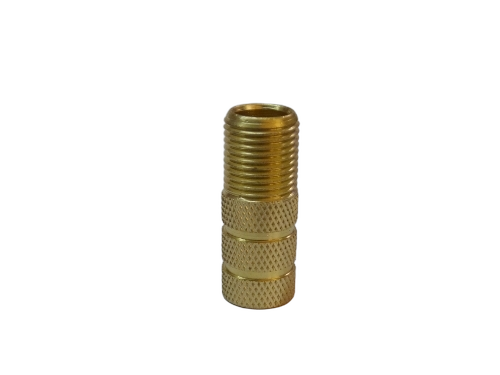
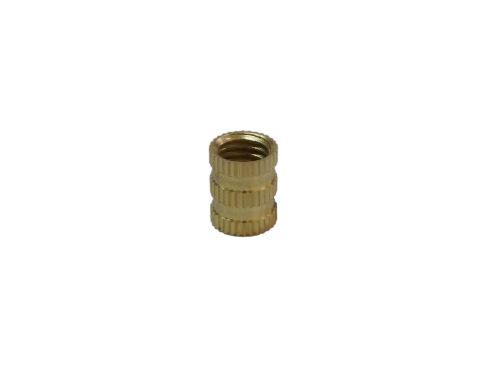
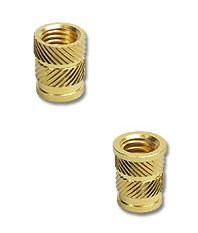
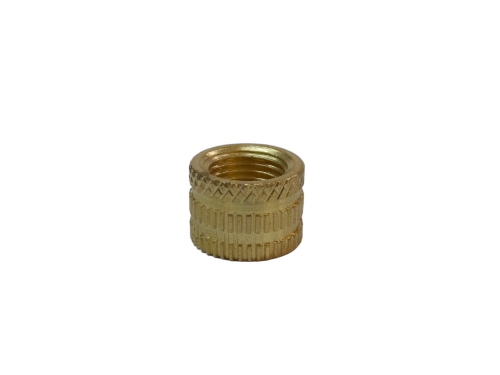
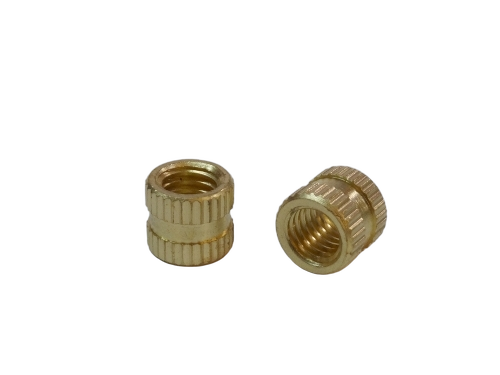
brass molding stud is a small but important hardware component used in electrical panels, switchgear, molding systems, and mechanical assemblies. It is typically made from high-quality brass to ensure durability, conductivity, and resistance to corrosion
Key features
- Material: Brass (often alloys like free-cutting brass)
- Threading: External threads, and sometimes internal threads (depending on type)
- Corrosion resistance: Brass resists rust and oxidation
- Electrical conductivity: Suitable for electrical applications
- Strength & durability: Holds well in molded parts without loosening
Customizable Dimensions for Diverse ApplicationsOur brass molding studs can be tailored in diameter, length, thread type, and plating to suit unique application needs. That means whether you're working on electronic components, general engineering assemblies, or plastic and rubber molding projects, you always get an optimal fit with maximum reliability and performance. We also accommodate specific requirements for finish, head type, and tolerances.
Durability and Performance in Demanding ConditionsManufactured from top-grade brass alloys, these studs withstand sustained temperatures up to 250C and maintain tensile strength up to 500 MPa. Their corrosion-resistant properties, precision machining, and choice of surface treatments-nickel, tin, or natural brass-ensure long-lasting, consistent performance, especially in harsh industrial environments.
FAQ's of Brass Molding Stud:
Q: How are brass molding studs typically installed?
A: Brass molding studs can be installed using press fit, mold-in, or ultrasonic insertion methods, depending on your assembly process and application environment. These installation methods ensure a secure and lasting hold in plastic, rubber, or similar substrates.
Q: What customization options are available for these molding studs?
A: Customization includes diameter, length, threading specification (ISO Metric, UNC, UNF, BSW), plating (natural brass, nickel, tin), head type, finish, and tolerance. We also accommodate custom drawings and specific industry standard requirements such as DIN, ISO, or IS.
Q: When should I use a brass molding stud in my project?
A: Use a brass molding stud when your design requires robust, corrosion-resistant fastening in plastic or rubber assemblies, particularly under conditions demanding high durability, moderate load capacity (up to 150 kg), and continuous thermal resistance up to 250C.
Q: Where are these brass molding studs commonly used?
A: They are widely utilized in plastic and rubber molding industries, electronic device assemblies, electrical fittings, and a variety of general engineering applications where precise, reliable inserts are required.
Q: What is the production process for brass molding studs?
A: These studs are CNC turned and precision machined from high-quality brass, with an option for various surface treatments. The process ensures tight tolerances, a smooth finish, and compliance with industry standards.
Q: How does using a brass molding stud benefit my application?
A: Brass molding studs provide high corrosion resistance, mechanical strength, and excellent thermal tolerance, which contributes to longer service life and secure fastening in a wide range of environmental conditions.
Q: What packaging options are offered for delivery?
A: Studs are packed based on your preference: polybags, boxes, or as specifically required. This ensures safe transport and easy handling, tailored to the delivery and storage needs of your operation.






 Send Inquiry

 Send Inquiry
 Send Inquiry
 Send SMS